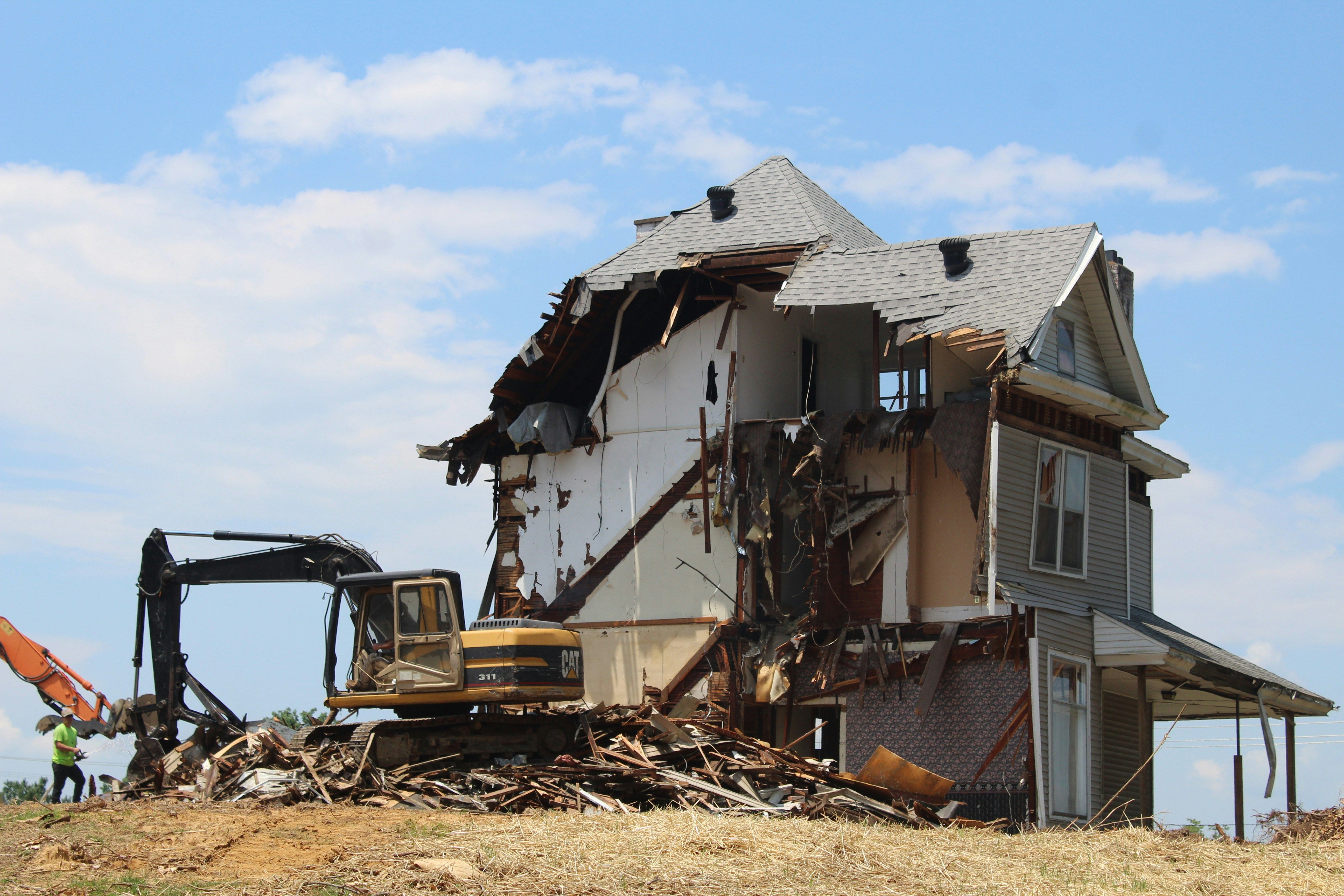
Avoid costly construction mistakes when building your dream home in Kenya. Learn from expert tips on soil testing, hiring contractors, permits, budgeting, and professional supervision.
Building your dream home in Kenya is one of life's most exciting milestones. The anticipation of watching your vision come to life is unmatched. Yet this journey can quickly turn into a nightmare when costly mistakes derail your project.
A single oversight can lead to months of delays, budget overruns, and endless frustrations. The good news? Most construction disasters are completely preventable with proper planning and professional guidance.
Skipping Soil Testing Before Foundation Work
Many homeowners rush straight into foundation work without understanding what lies beneath their plot. This is like building a house of cards on quicksand.
Soil testing reveals crucial information about your land's bearing capacity, water table levels, and soil composition. Weak soils can cause foundations to sink, crack, or shift over time. The result? Structural damage that costs millions to repair.
How to avoid: Conduct a comprehensive geotechnical analysis before any excavation begins. This investment of Ksh 50,000-100,000 can save you from foundation failures worth millions later.
Hiring Unqualified or Cheap Contractors
The temptation to save money by hiring the cheapest fundi is understandable. But remember, you get what you pay for in construction.
Unqualified contractors deliver poor workmanship, miss deadlines, and often disappear mid-project. Some lack proper insurance, leaving you liable for accidents on your site. Others use substandard techniques that compromise your home's structural integrity.
How to avoid: Vet contractors thoroughly. Check their National Construction Authority (NCA) registration, review previous projects, and speak with former clients. A qualified contractor might cost more upfront but saves money long-term.
Ignoring Construction Approvals and Permits
Building without proper approvals is like driving without a license. You're breaking the law and risking severe consequences.
County governments require building permits, environmental impact assessments, and utility connections approvals. The NCA also mandates compliance with building codes and standards. Ignoring these requirements can result in hefty fines, project shutdowns, or even demolition orders.
How to avoid: Secure all necessary permits before breaking ground. Work with registered architects who understand local approval processes. Yes, it takes time and money, but it's non-negotiable.
Poor Budget Planning and Underestimating Costs
Most homeowners underestimate construction costs by 30-50%. They forget about inflation, material price fluctuations, and unexpected site conditions.
Running out of money mid-construction is devastating. Your project stalls, materials deteriorate, and partially completed structures become security risks. Restarting later costs even more due to inflation and damage.
How to avoid: Work with quantity surveyors to prepare detailed Bills of Quantities. Add a 20-30% contingency for unforeseen costs. Break your budget into phases and secure financing before each stage begins.
Using Substandard Materials to Cut Costs
Cheap materials seem like smart savings until your walls crack, roofs leak, and electrical systems fail.
Substandard cement leads to weak concrete. Poor-quality roofing sheets rust within years. Fake electrical cables cause fires. The money saved initially gets spent many times over on repairs, replacements, and potential insurance claims.
How to avoid: Buy materials from reputable suppliers with proper certifications. Check for KEBS marks on local products and proper documentation for imports. Quality materials are investments, not expenses.
Lack of Professional Supervision During Construction
Many homeowners assume contractors work diligently without oversight. This assumption often leads to costly surprises.
Without professional supervision, you get crooked walls, uneven floors, and poor finishes. Mistakes get hidden under subsequent layers, only to surface later as expensive problems. Rework costs significantly more than doing it right the first time.
How to avoid: Engage qualified architects and structural engineers for regular site supervision. Their trained eyes catch problems early when corrections are still affordable and feasible.
Poor Planning for Utilities and Site Infrastructure
Utilities aren't afterthoughts. They require careful planning and early implementation.
Failing to plan for water supply, electricity connections, access roads, and drainage creates major headaches. You might find yourself breaking finished walls to install pipes or spending fortunes on alternative water sources.
How to avoid: Plan utility connections during the design phase. Coordinate with Kenya Power, water companies, and internet providers early. Ensure proper site access for construction vehicles and material delivery.
Inadequate Planning and Design Mistakes
Using unqualified designers or skipping professional architectural services seems economical. The reality is quite different.
Poor designs result in impractical room sizes, awkward corridors, impossible furniture arrangements, and insufficient natural lighting. Some homes become uncomfortable to live in despite their beautiful exteriors.
How to avoid: Hire registered architects who understand both aesthetic and functional design principles. Good design maximizes space efficiency, natural lighting, and ventilation while reflecting your lifestyle needs.
Skipping Waterproofing and Anti-Termite Treatments
Water damage and termite infestations are silent destroyers of buildings. Prevention costs a fraction of cure.
Skipping waterproofing leads to dampness, mold growth, and structural deterioration. Termites can destroy wooden structures within months, requiring expensive treatments and replacements.
How to avoid: Apply approved waterproofing membranes during construction. Treat foundations and wooden elements with certified anti-termite chemicals. These treatments are most effective when applied during construction rather than retrofitted later.
Poor Communication and Documentation with Contractors
Verbal agreements and unclear expectations breed disputes, cost overruns, and project delays.
Without written contracts, project scope becomes subjective. Contractors might interpret requirements differently, leading to expensive changes or legal battles. Poor communication also allows small problems to escalate into major issues.
How to avoid: Document everything in writing. Create detailed contracts specifying materials, timelines, payment schedules, and quality standards. Hold regular progress meetings and maintain written records of all decisions and changes.
Build Smart, Build Right
Construction mistakes are expensive teachers. Learning from others' experiences is much cheaper than making these errors yourself.
Successful construction requires professional guidance, adequate budgets, quality materials, and constant vigilance. Don't let excitement override careful planning and prudent decision-making.
Your dream home deserves the best foundation – literally and figuratively. Invest in professional advice from the start. Your future self will thank you when you're enjoying your beautiful, structurally sound home instead of dealing with expensive repairs.
Ready to build your dream home the right way? Contact Excellent Finishes today for professional construction guidance and quality workmanship.
📞 +254 723 062 920
✉️ excellentservices.ltdke@gmail.com
Let our experienced team help you avoid these costly mistakes and build a home you'll love for decades.